


Did you know the “Father of the Philippine Army” started his career as a school principal in Cavite? 🇵🇭
Born on October 20, 1866, in Batac, Ilocos Norte, General Artemio Ricarte y García rose from humble beginnings to become a pivotal figure in Philippine history.
A teacher by profession, he earned a Bachelor of Arts from Colegio de San Juan de Letran and a primary instruction certificate, later supervising a primary school in San Francisco de Malabon (now General Trias, Cavite).
There, he connected with revolutionaries like Mariano Álvarez, joining the Katipunan and adopting his famous alias “Vibora” (The Viper)—inspired by the Gospel of Matthew 10:16: “be ye therefore wise as serpents, and harmless as doves.”
Ricarte led one of the revolution’s earliest victories, capturing the Spanish garrison in San Francisco de Malabon on August 31, 1896.
Appointed the first Chief of Staff of the Armed Forces of the Philippines on March 22, 1897, he commanded forces in key battles across Cavite, Laguna, and Batangas. He is revered as the Father of the Philippine Army for organizing its foundational structure during the revolution against Spain.
Captured by American forces in 1900 while attempting to infiltrate Manila, Ricarte was imprisoned, exiled to Guam, and later banned from the Philippines after repeatedly refusing to swear allegiance to the United States—a stance he maintained until his death. He secretly returned in 1903 to reignite resistance but was recaptured and deported again.
In self-exile, first in Hong Kong and then Japan from 1915, Ricarte and his wife Agueda Esteban ran “Karihan Luvimin” (short for Luzon-Visayas-Mindanao) in Yokohama—a beloved Filipino restaurant that served as a gathering spot for expatriates and visitors, including future President Manuel L. Quezon, who dined there and later invited Ricarte home in 1935 (an offer Ricarte declined while under American rule).
During World War II, Ricarte returned to the Philippines with Japanese forces in 1942, hoping for true independence. He advised the puppet Second Philippine Republic but grew disillusioned.
As Allied forces advanced in 1945, the 78-year-old general retreated with retreating troops into the Cordillera mountains, refusing evacuation to Japan. He died of dysentery on July 31, 1945, in Hungduan, Ifugao—unbowed and on Philippine soil.
From leading the first major attack in Cavite in 1896 to his final stand in the Cordillera mountains in 1945, Ricarte’s life was defined by an unyielding commitment to Philippine independence.
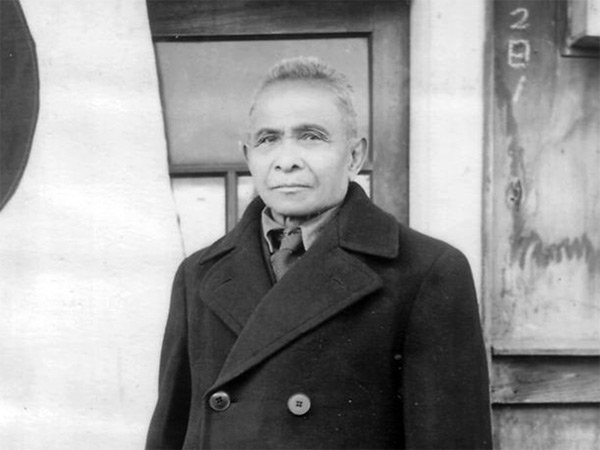
His remains were later interred at the Libingan ng mga Bayani, and his birthplace is now a national shrine in Batac.
Discover more from Cavite News
Subscribe to get the latest posts sent to your email.